
Major Changes Coming to Student Visas
Major Changes Coming to Student Visas
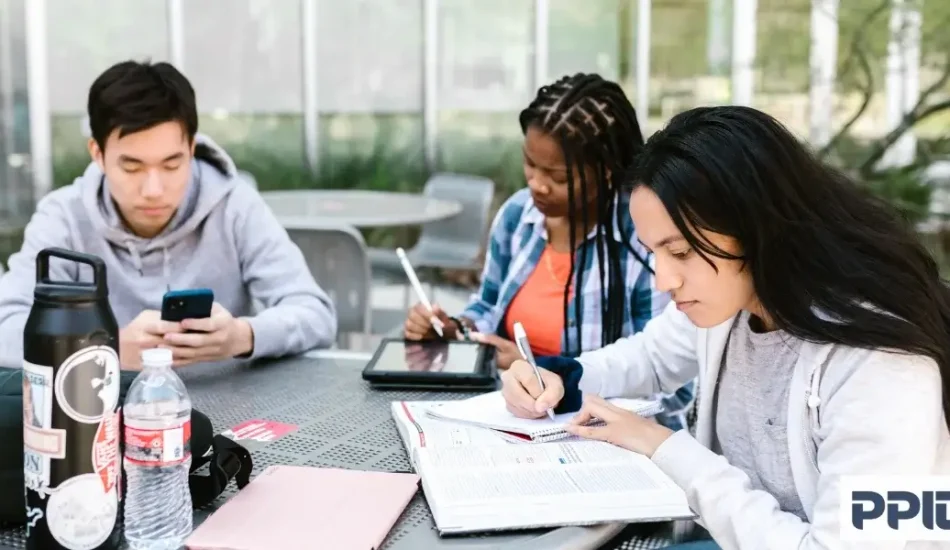
On July 17, 2026, the Trump administration announced a regulation that will make the most significant changes to the U.S. student visa process in 50 years. The rule, which takes effect September 15, also affects exchange visitors and international journalists.
The regulation will eliminate “duration of status” admissions for people in F, J, and I visa categories. Currently, these visa holders may generally remain in the United States for as long as needed to complete their studies, research, exchange program, or journalism assignment.
Under the new rule, international students and exchange visitors will be admitted until their program end date or for four years, whichever is shorter. They will receive a 30-day grace period to depart, seek an extension, or pursue another lawful status.
International journalists will be admitted for the length of their assignment or up to 240 days, whichever is shorter. Journalists from China will be limited to 90 days. These limits will also apply to accompanying spouses and children.
Those who need additional time will have to apply to U.S. Citizenship and Immigration Services. Each extension request will cost at least $420.
The rule will also create new restrictions for J visa categories and international students. Undergraduate students will generally be prohibited from changing majors or transferring schools during their first year except in rare “extenuating circumstances.” Graduate students will not be permitted to change their educational objective, and students completing a degree may remain in the country for another program only if it is at a higher educational level.
DHS has not yet clarified how professional degrees, including J.D., M.D., master’s, and Ph.D. programs, will be ranked. Some restrictions on transfers and degree changes may be delayed for up to two years if implementation proves difficult.
By the Numbers
International students contribute approximately $43 billion annually to the U.S. economy and support as many as 355,000 jobs. However, the number seeking to study in the United States has reportedly fallen by 20% overall and by 24% at graduate programs since President Trump took office.
Although the administration argues that the regulation will reduce fraud, the additional costs, bureaucracy, and uncertainty may discourage international students, researchers, journalists, and other talented professionals from choosing the United States.
#ImmigrationPolicy #StudentVisas #InternationalStudents #PPID
Source: The biggest changes to student visas in generations, explained (2026) American Immigration Council. Available at: americanimmigrationcouncil.org/blog/biggest-changes-student-visas-in-generations-what-you-need-to-know (Accessed: 03 August 2026).